Underwater ecosystems are home to a diverse array of crustaceans, ranging from microscopic copepods to the massive Japanese spider crab. These invertebrates are characterized by their hard exoskeletons, which they must periodically molt to grow, and their segmented bodies with jointed limbs. Often referred to as the "scavengers of the sea," species like crabs, lobsters, and shrimp play a vital role in the food web by recycling nutrients and serving as a primary food source for larger marine predators. Beyond their ecological importance, many crustaceans have developed fascinating adaptations, such as the mantis shrimp’s powerful strike or the barnacle’s ability to cement itself to almost any submerged surface.
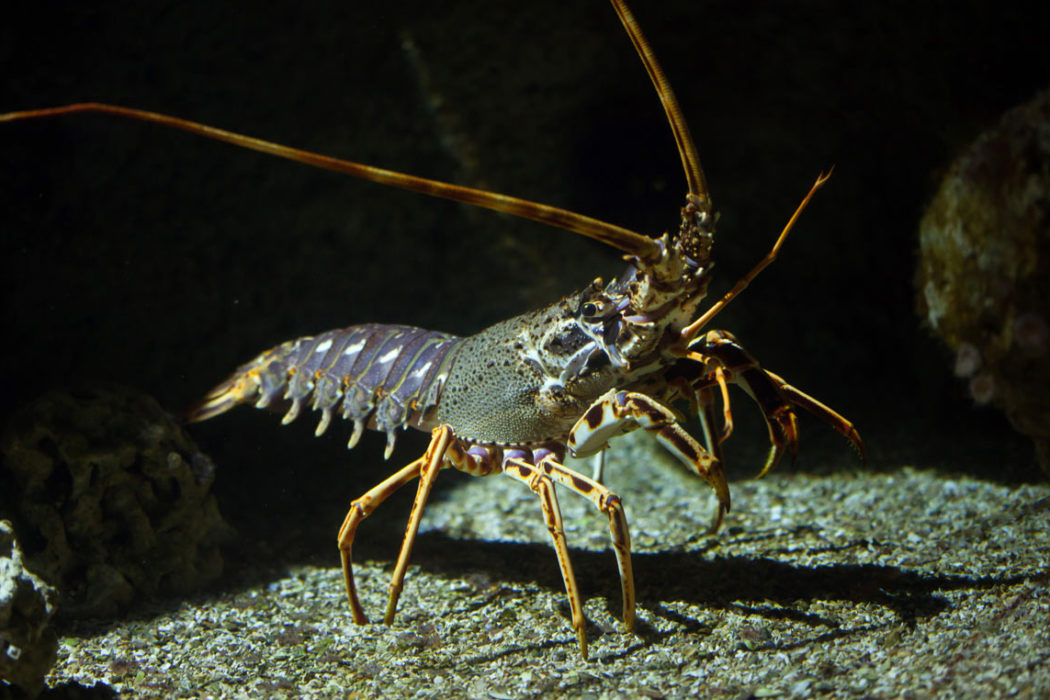
lobster
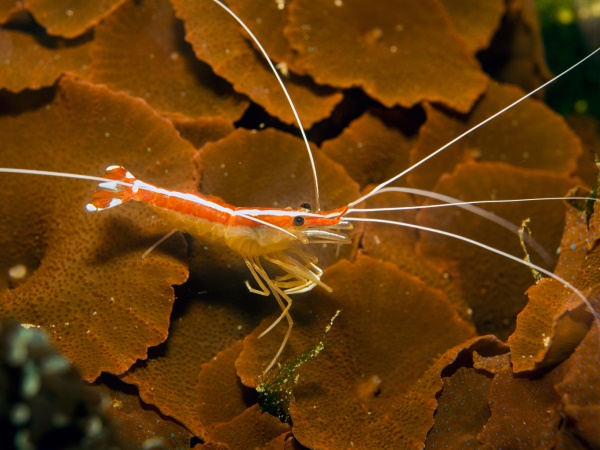
cleaner shrimp
barnacles
Cleaner shrimp are remarkable marine crustaceans widely celebrated for their mutualistic relationship with various fish species, earning them the nickname "the dentists of the reef". These industrious creatures establish "cleaning stations" in coral reefs where they perform a rhythmic rocking dance to signal their services to passing "clients," including large predators like moray eels. By scrupulously removing parasites, dead skin, and bacteria from the bodies and even the mouths of these fish, the shrimp gain a nutritious meal while the fish receive a vital health boost that reduces stress and prevents infection. Often recognized by their striking coloration—such as the vibrant red and white stripes of the popular Pacific cleaner shrimp—they are also fascinating for their unique biology, as many species are hermaphrodites and exhibit complex social behaviors.
Five Facts: Barnacles – Research News
Barnacles are sessile, marine crustaceans related to crabs and lobsters that permanently attach themselves head-first to hard surfaces like rocks, ships, and whales using a powerful, natural adhesive. Living in intertidal zones, these filter feeders use feathery, modified legs called cirri to sweep plankton from the water when submerged. Protected by hard, calcareous plates, they can withstand exposure to air by closing their shells.
Lobsters are fascinating marine crustaceans that play a vital role in both ocean ecosystems and the global economy. Characterized by their jointed legs—five pairs in total—and often large, pincer-like claws, they are primary hunters and scavengers that inhabit the sea floor. Interestingly, while many people associate lobsters with a bright red color, they actually appear in shades of greenish-brown, blue, or even purple in the wild to blend into their environment; they only turn red when cooked due to a chemical reaction involving the pigment astaxanthin. Beyond their biology, lobsters have a unique cultural history, once being considered a "poverty food" fed to prisoners and servants in colonial America before transforming into a high-status delicacy by the late 19th century. This transformation, along with ethical debates surrounding their sentience and the practice of boiling them alive—famously explored in David Foster Wallace’s essay "Consider the Lobster"—continues to make them a subject of intense scientific and philosophical interest.