 |
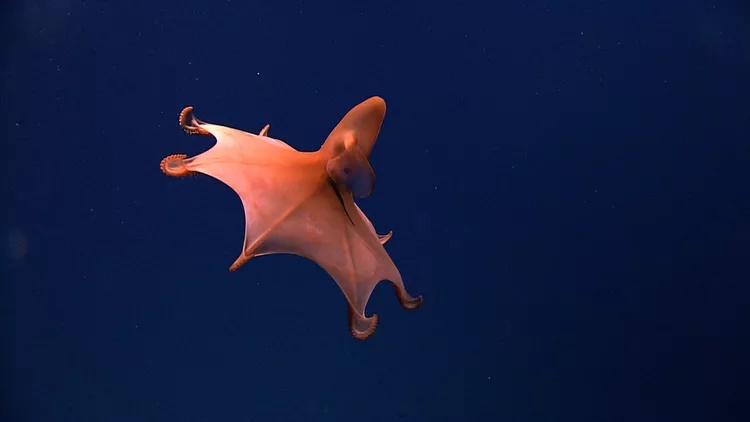 |
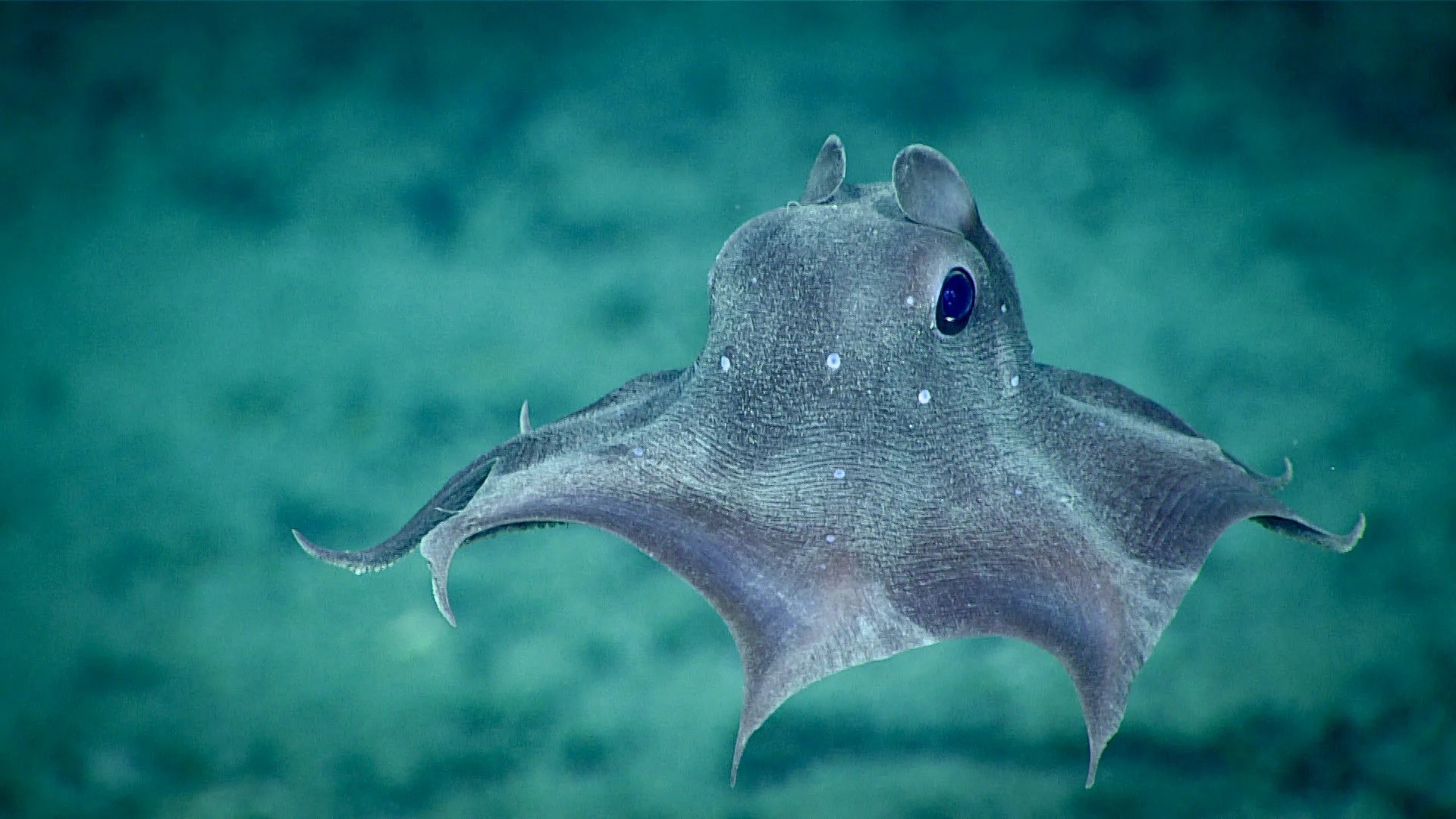
Three big paragraphs about the dumbo octopus The dumbo octopus (genus Grimpoteuthis) is a unique deep-sea cephalopod that derives its name from two ear-like fins located on its mantle, which bear a striking resemblance to the oversized ears of Disney's famous elephant. These octopuses are members of the "umbrella" family because their eight arms are connected by webbing that, when spread, makes them look like an open umbrella. Unlike their shallow-water relatives who rely on jet propulsion to move, dumbo octopuses primarily navigate by flapping these specialized fins to "fly" through the water with remarkable grace. Most species are relatively small, typically measuring between 20 and 30 centimeters (8 to 12 inches), though rare specimens have been found reaching nearly six feet in length. Bureau of Ocean Energy Management (.gov) Bureau of Ocean Energy Management (.gov) +7 Inhabiting the most extreme environments on Earth, these creatures are the deepest-living of all known octopuses, typically found at depths of 3,000 to 4,000 meters (9,800 to 13,000 feet). Some individuals have even been recorded as deep as 7,000 meters (23,000 feet) in the Java Trench, far into the lightless hadal zone. To survive the crushing pressure and freezing temperatures of the abyss, they have evolved soft, gelatinous bodies and a specialized metabolism. Interestingly, because they live in perpetual darkness where visual deception is less effective, dumbo octopuses have completely lost their ink sacs, a standard defense mechanism for most other cephalopods. ThoughtCo ThoughtCo +7 Their feeding and reproductive habits are equally specialized for the nutrient-scarce deep sea. Dumbo octopuses are opportunistic predators that "hoover" up prey from the ocean floor, including worms, snails, and small crustaceans, which they pounce upon and swallow entirely whole. This is distinct from other octopuses that typically use a beak to tear and grind food. Because encounters with potential mates are rare in the vast abyss, they do not have a specific breeding season. Instead, females carry eggs at various stages of development simultaneously, allowing them to mate and lay eggs whenever the opportunity arises, ensuring the survival of their species in a cold and lonely environment.
 |
|
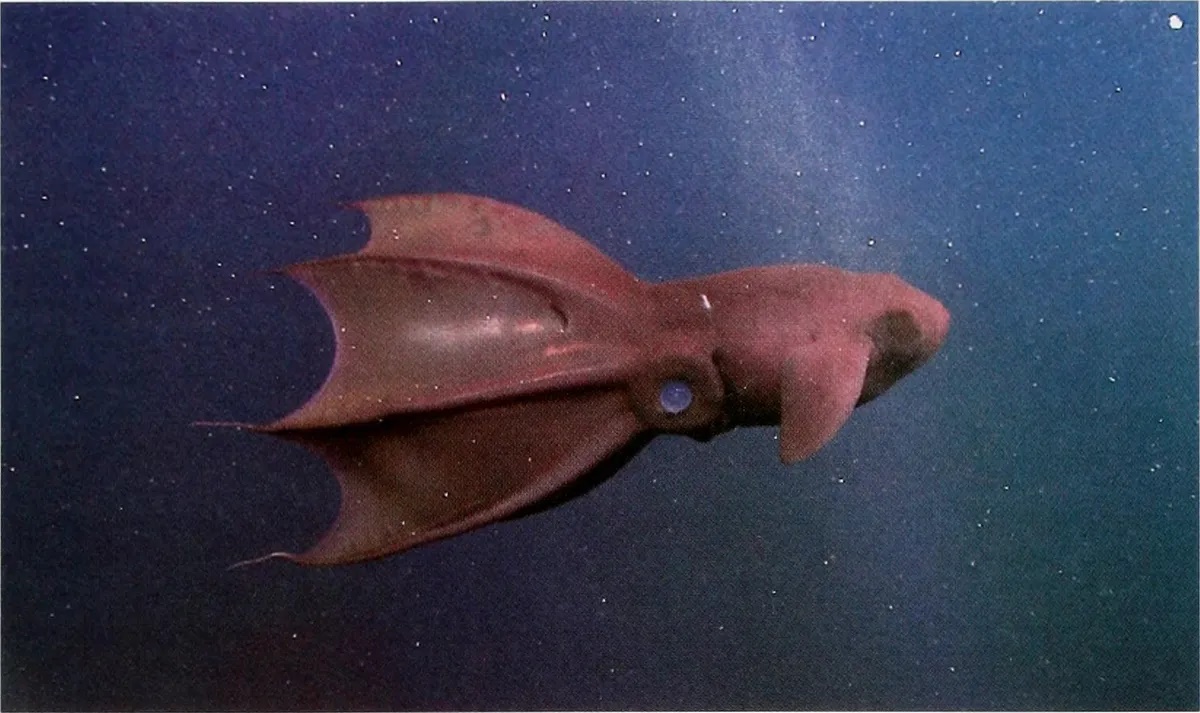 |
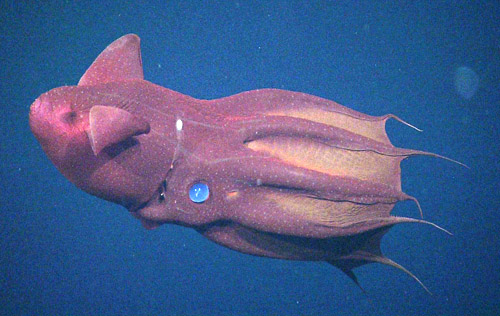
The vampire squid is a living relic of the deep sea, surviving in the pitch-black Oxygen Minimum Zone where few other predators can breathe. Despite its menacing name and glowing red eyes, this cephalopod is a passive detritivore, using long, retractable filaments to collect "marine snow"—a mix of organic debris and mucus. When threatened, it doesn't ink; instead, it turns "inside out" into a pineapple pose to expose soft spines and ejects a cloud of bioluminescent mucus to dazzle attackers. It is neither a true squid nor an octopus, but the sole survivor of an evolutionary lineage that has remained virtually unchanged for millions of years.
The vampire squid remains one of the most enigmatic creatures of the deep sea. Recent research, including the first complete sequencing of its genome in late 2025, has unveiled even more of its biological secrets.
Largest Cephalopod Genome: In 2025, scientists discovered the vampire squid has an 11 billion-base-pair genome—nearly four times the size of the human genome. While modern octopuses have highly reshuffled DNA, the vampire squid has kept an ancestral "squid-like" chromosomal arrangement, confirming its role as a "genomic living fossil" that links the two lineages. Unusual Reproductive Cycles: Unlike most squids and octopuses that die after one spawning event, females are iteroparous, meaning they can go through dozens of reproductive cycles. One examined female had released at least 3,800 eggs and still had 6,500 more in reserve, suggesting it may spawn over 100 times in a lifetime that could exceed eight years. Unique Metamorphosis: As it matures, the vampire squid undergoes a strange physical transformation where it trades one set of fins for another. Juveniles have two pairs of fins; as they grow, the pair closer to the head is reabsorbed, while the posterior pair develops into the large, ear-like fins used for flapping in adulthood. Passive "Mucus Dumpling" Feeding: To eat, the squid extends one of its two thin, sticky filaments to catch falling "marine snow". It then pulls the filament through its arms to scrape off the debris, which its suckers wrap in mucus to create a "mucus dumpling" that it moves toward its white, beak-like mouth.
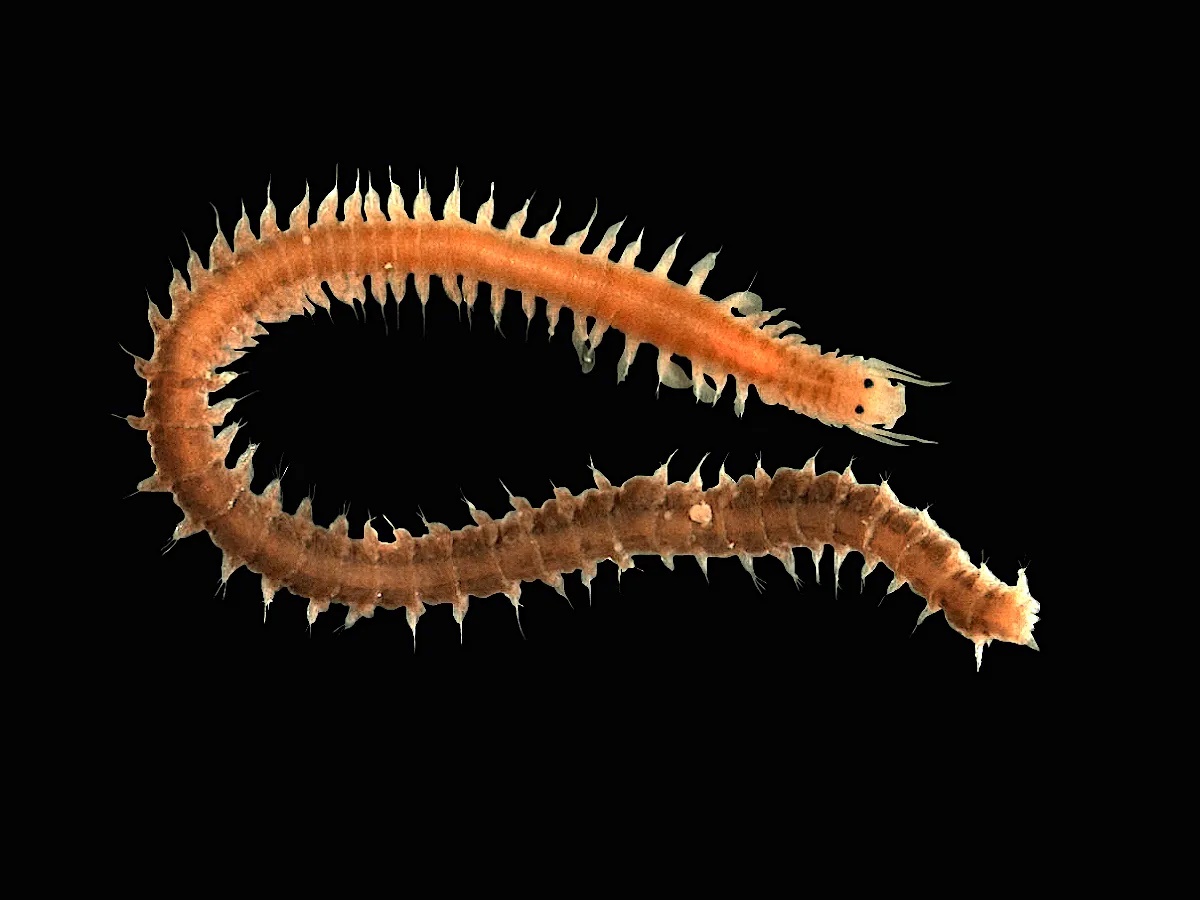
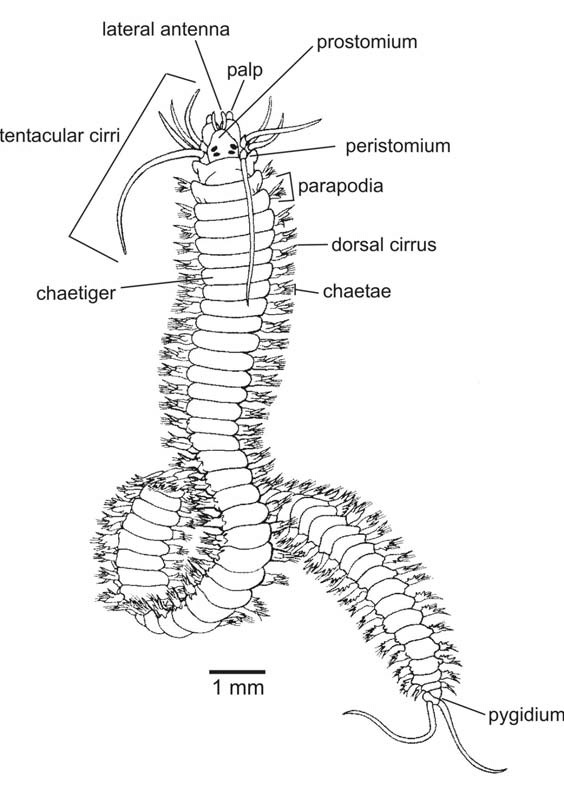
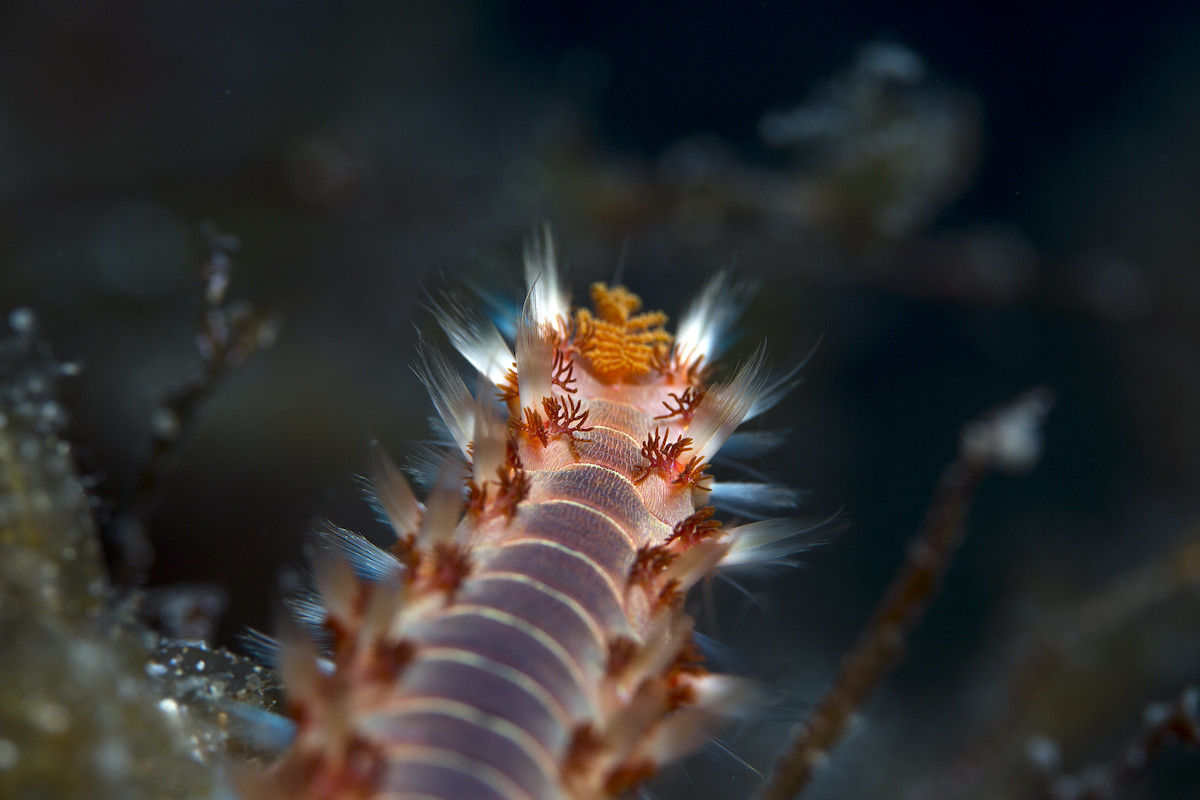
Polychaetes, commonly known as bristle worms, represent one of the most evolutionarily successful and diverse groups of marine invertebrates found across the globe. These segmented worms belong to the phylum Annelida and are distinguished by their fleshy, paddle-like appendages called parapodia located on each body segment. From these appendages sprout numerous chitinous bristles, or chaetae, which give the class its name, meaning "many bristles" in Greek. They inhabit every conceivable marine niche, ranging from the sunlit intertidal zones and coral reefs to the crushing pressures of the hadal trenches. While many are microscopic, some species can grow to several meters in length, showcasing an incredible range of biological engineering. Their body plans are highly adaptable, allowing them to thrive in environments that would be lethal to most other forms of life. Scientists have identified over 10,000 species, yet many more likely remain undiscovered in the deep sea. By studying their anatomy, researchers gain insights into the early evolution of bilateral symmetry and complex organ systems in animals. The sensory capabilities and head morphology of polychaetes are remarkably sophisticated compared to their terrestrial relatives, the earthworms. Most free-moving polychaetes possess a well-defined head region equipped with eyes, antennae, and sensory palps used for navigation and hunting. Some species have evolved complex camera-type eyes that can resolve images, while others rely on chemical signals detected by specialized nuchal organs. This sensory input is processed by a central brain connected to a ventral nerve cord that runs the length of the body. Their circulatory systems are usually closed, featuring a series of hearts or muscular vessels that pump blood containing respiratory pigments like hemoglobin. In many species, the parapodia serve a dual purpose, acting as both primitive legs for locomotion and as gills for gas exchange. This integration of movement and respiration allows them to maintain high metabolic rates during active hunting or burrowing. The complexity of their nervous systems makes them fascinating subjects for neurobiological research and evolutionary studies.
creatures with little discovery
- biolumenecent
- isopods
- blob fish
- skelaton sea squirt
- "death-ball" sponge
- Iron-Toothed Chiton
- colossal squid
- under water Panda